Restoration Begins on Ivan Aivazovsky’s World-Famous Masterpiece The Ninth Wave
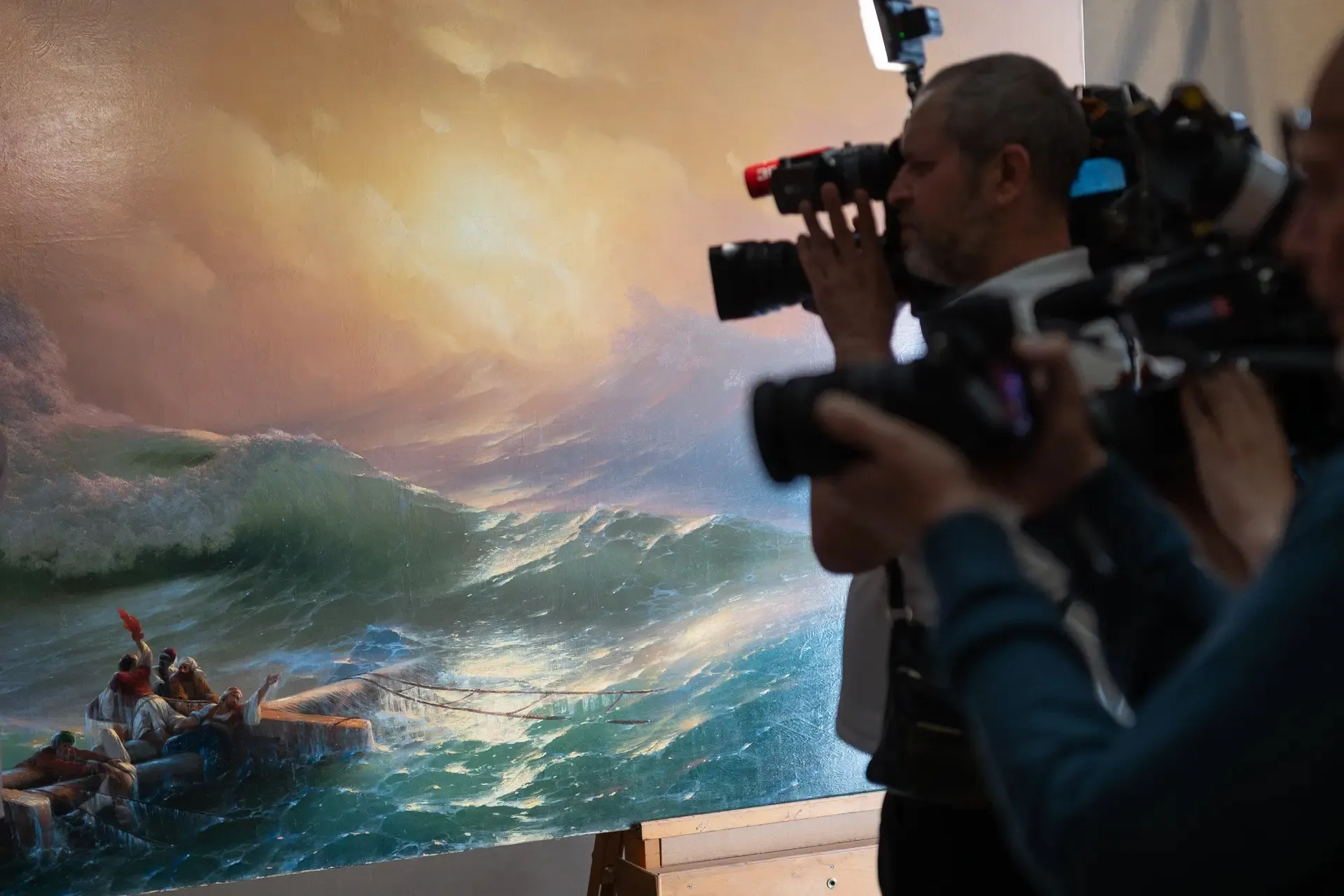
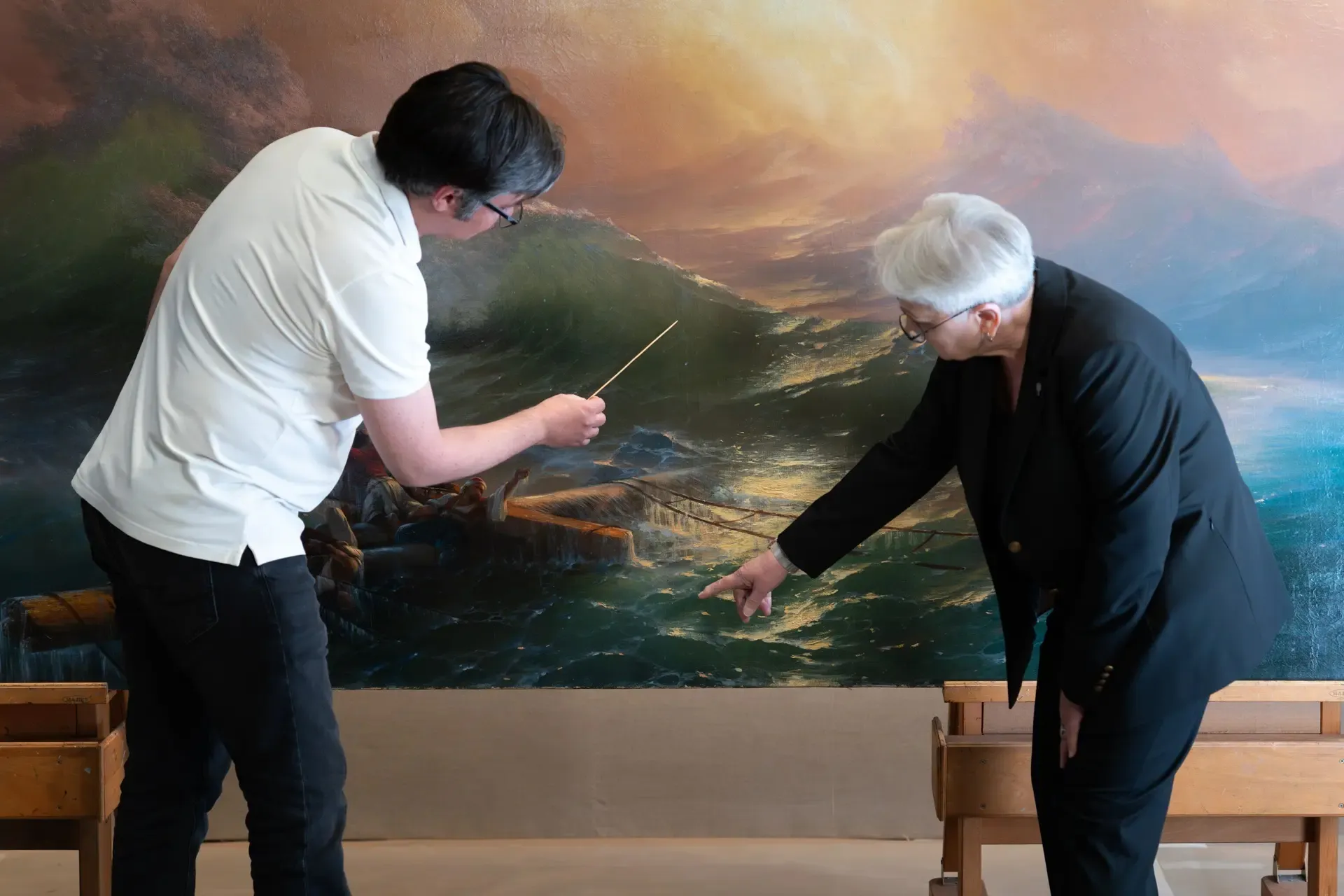
The Russian Museum has established a Restoration Council to oversee the first comprehensive restoration of Ivan Aivazovsky’s The Ninth Wave, ahead of a large exhibition in the Benois Wing this October. The Ninth Wave has occupied a central place in the Russian Museum’s collection for over 120 years. During this time, specialists have only carried out minor conservation measures.
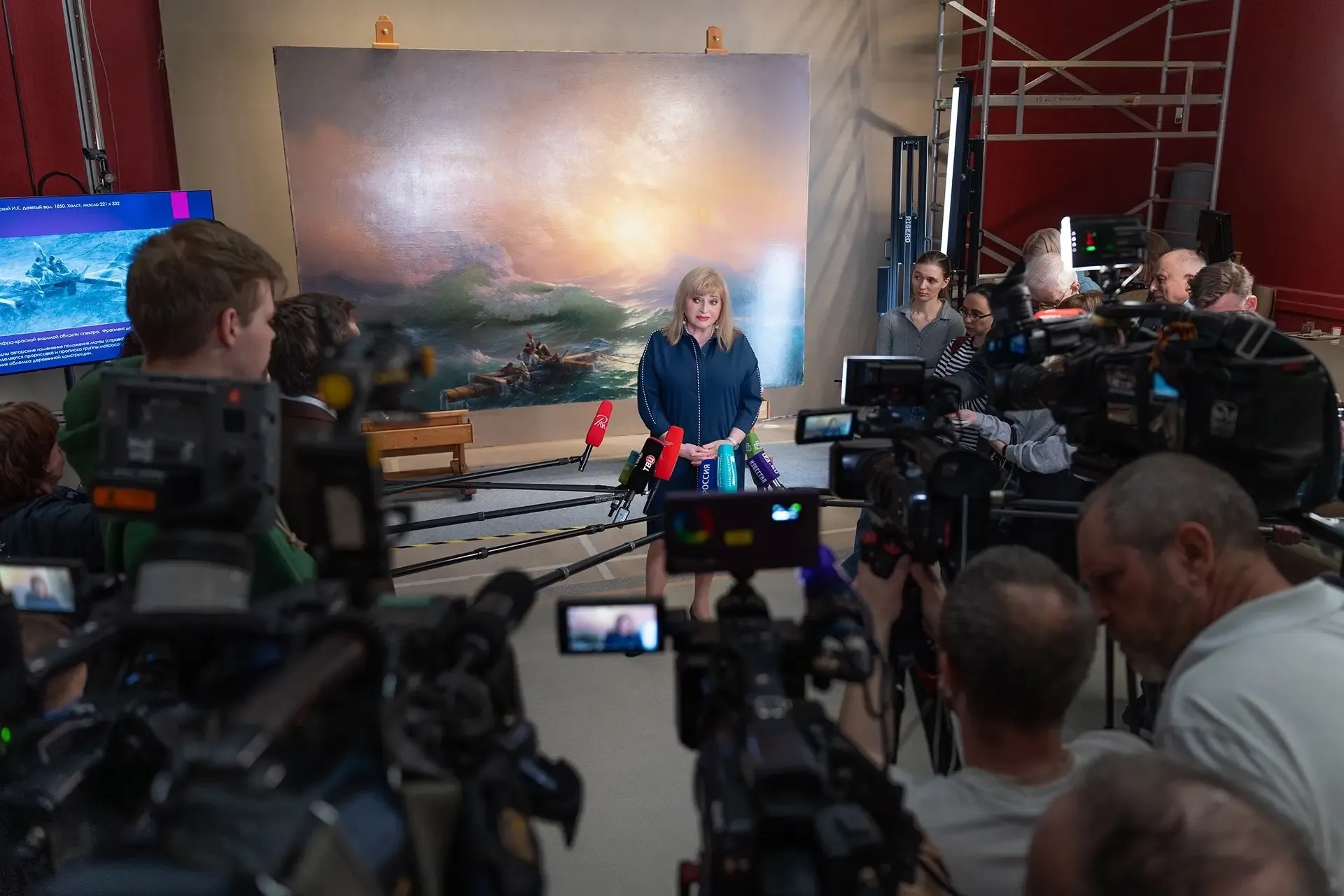
“The Russian Museum has no canvases in unsatisfactory condition, but we understand that one day this painting, which is over a century and a half old (The Ninth Wave was painted by Ivan Aivazovsky in Feodosia in 1850) will require comprehensive scientific restoration. Especially given the high standards of conservation maintained at the Russian Museum.
The Ninth Wave is the most beloved painting among our visitors, according to our attendants. We are fully aware of the immense responsibility – the public is eagerly awaiting the results!
Last year, the Russian Museum announced that the headline exhibition of 2026 would be a grand retrospective of Ivan Aivazovsky. It will open in mid-October, and by that time we simply must present The Ninth Wave to the city and the world in the brilliant state in which it left the great artist’s brush!” said Alla Manilova, General Director of the Russian Museum. The Ninth Wave has been moved from Academy Room No. 14 in the Mikhailovsky Palace to Open Restoration Room No. 86 in the Benois Wing, where visitors will be able to observe the specialists at work.
The restorers face an extensive range of tasks: stabilizing the paint layer and ground across the entire surface of the work, eliminating areas of flaking, and addressing the varnish coating, which has become uneven and developed pronounced spotting over time. Concurrently, the Russian Museum’s specialists are continuing the scientific restoration of the painting’s historic gilded frame. Over 100 missing carved fragments have already been restored. All elements are being recarved from linden wood based on surviving originals, coated with traditional gesso, and subsequently gilded with gold leaf.