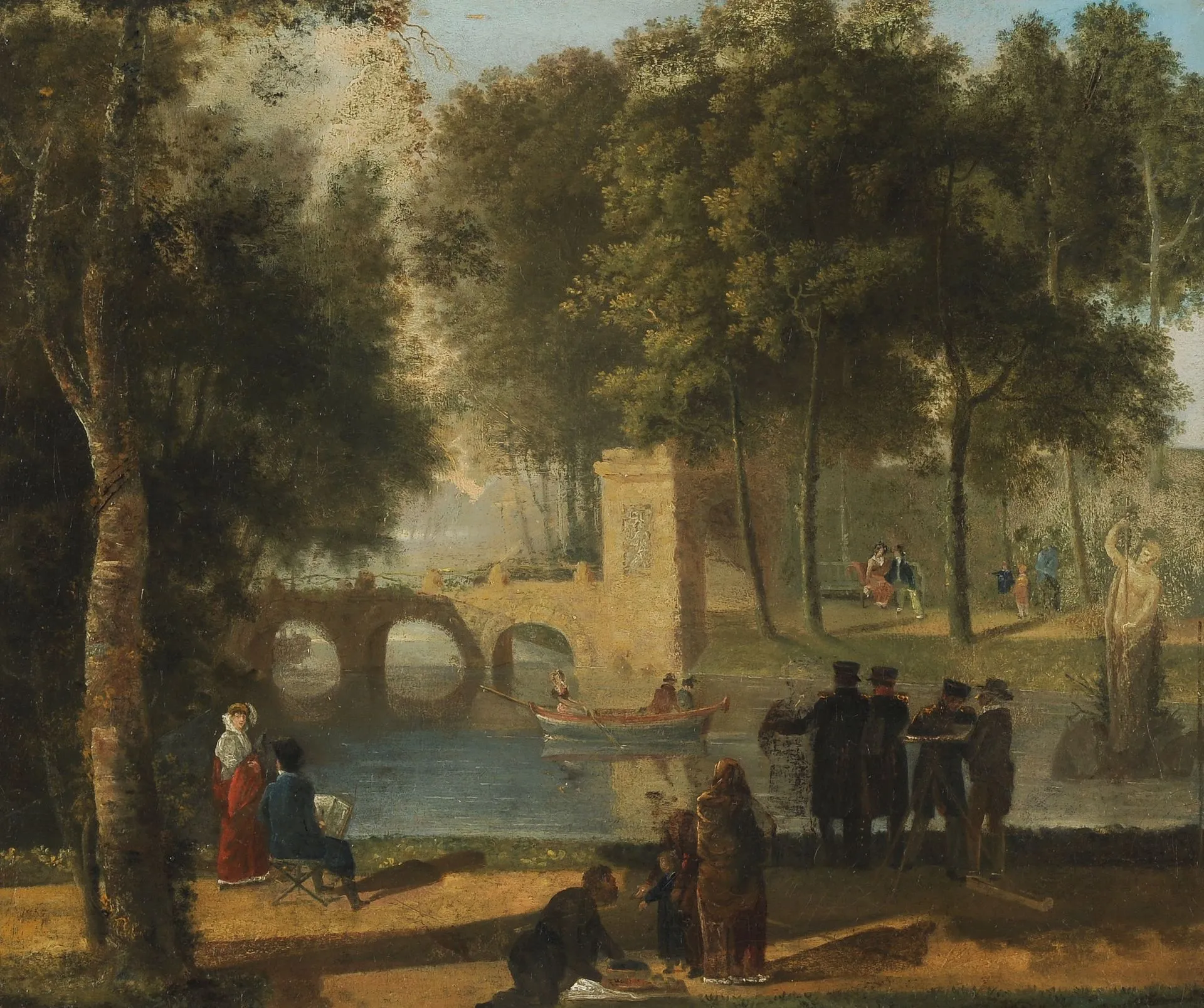
Ermolai Esakov. View of the Round Pond and the Stone Bridge in the Park of the Stroganov Dacha. 1810s. Oil on paper mounted on canvas
#Current
27 May 2026–26 October 2026
The Villa of a Russian Patron

The Stroganov Palace
17 Nevsky Prospekt, St. Petersburg
Metro station: Nevsky Prospekt
VISITING RULES AND SERVICES

No drinks

No food or drink

No large bags

No coats

No pets (service animals permitted)

Cloakroom

No smoking

No roller skates

No backpacks

No flash photography

No selfie sticks or tripods

No scooters

No strollers
About the exhibition
The state rooms of the first floor of the Stroganov Palace are occupied by the exhibition The Villa of a Russian Patron, a fantasy of an exquisite country house belonging to a collector and patron of the arts. In each room, nearly one hundred paintings, drawings, sculptures and works of decorative and applied arts call forth evocative scenes that bring to life memories of the villas of Antiquity, the mansions of enlightened Russian patrons such as Ivan Shuvalov, Savva Mamontov and Maria Tenisheva, and, of course, the residences of the palace’s owner, Count Alexander Stroganov.
Masterpieces of the exhibition
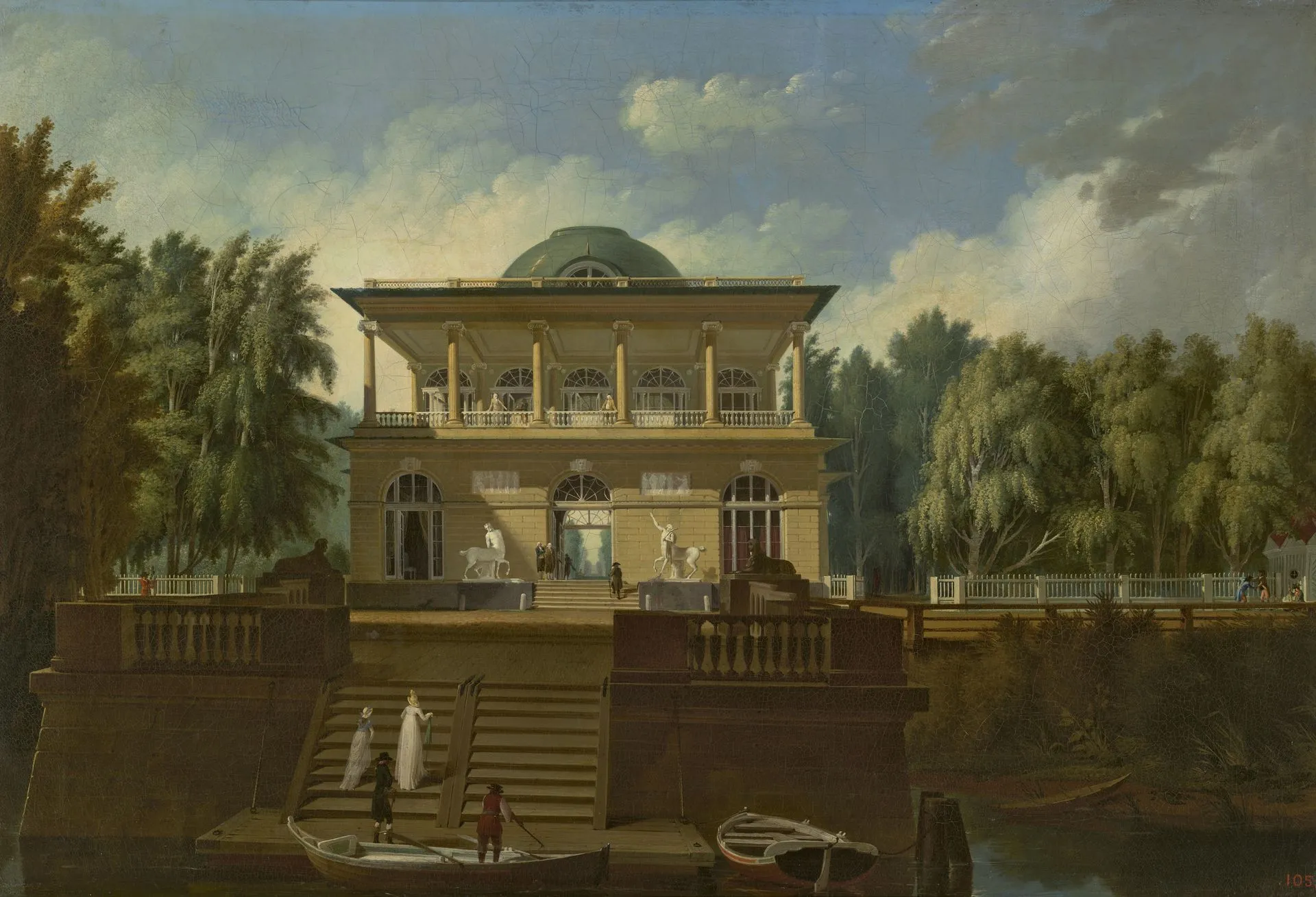
Andrei Voronikhin. View of the Stroganov Dacha in St Petersburg. 1797. Oil on canvas
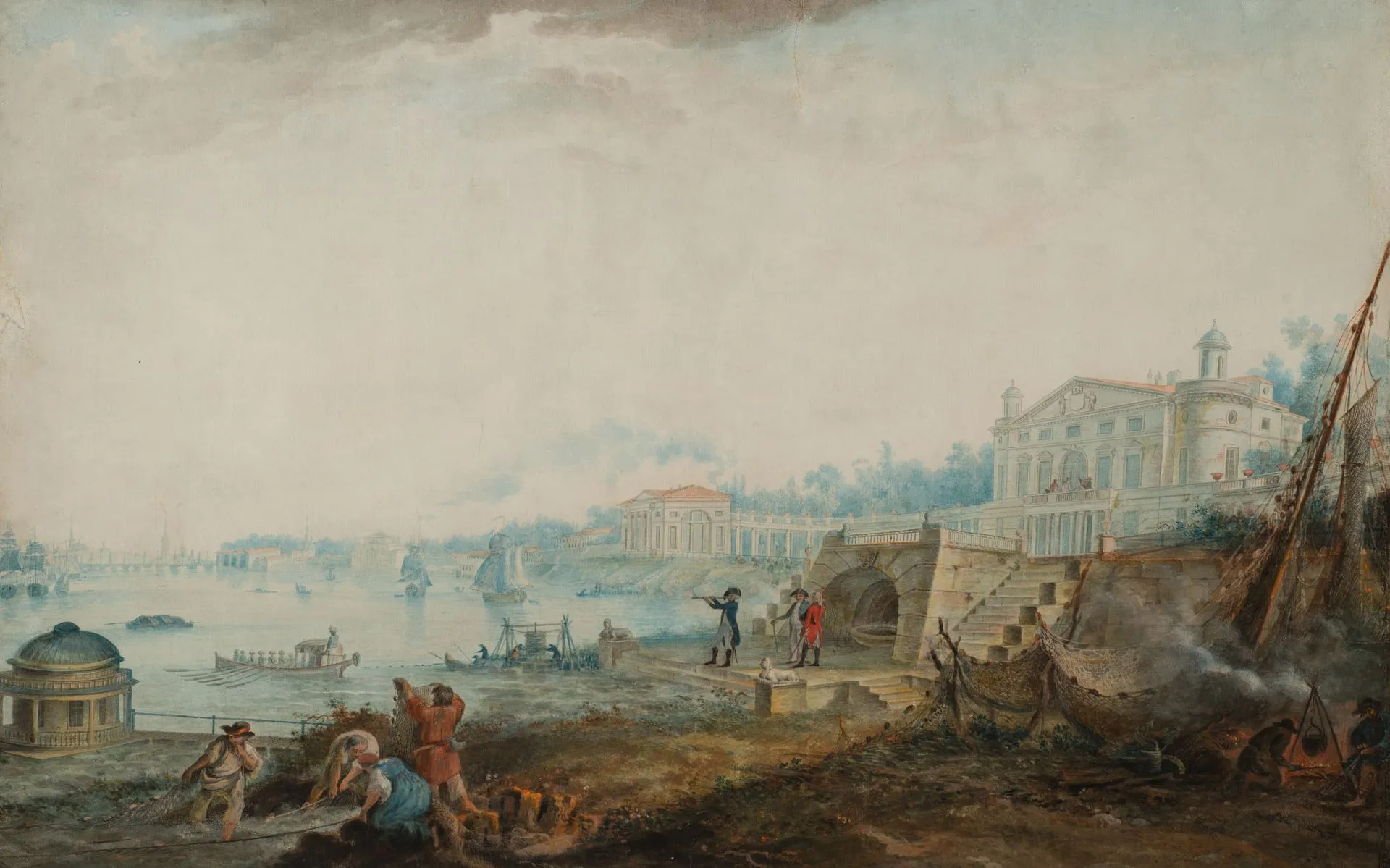
Gavriil Sergeyev. Count Ilya Bezborodko’s Dacha in Polyustrovo. 1800. Watercolour and gouache on paper
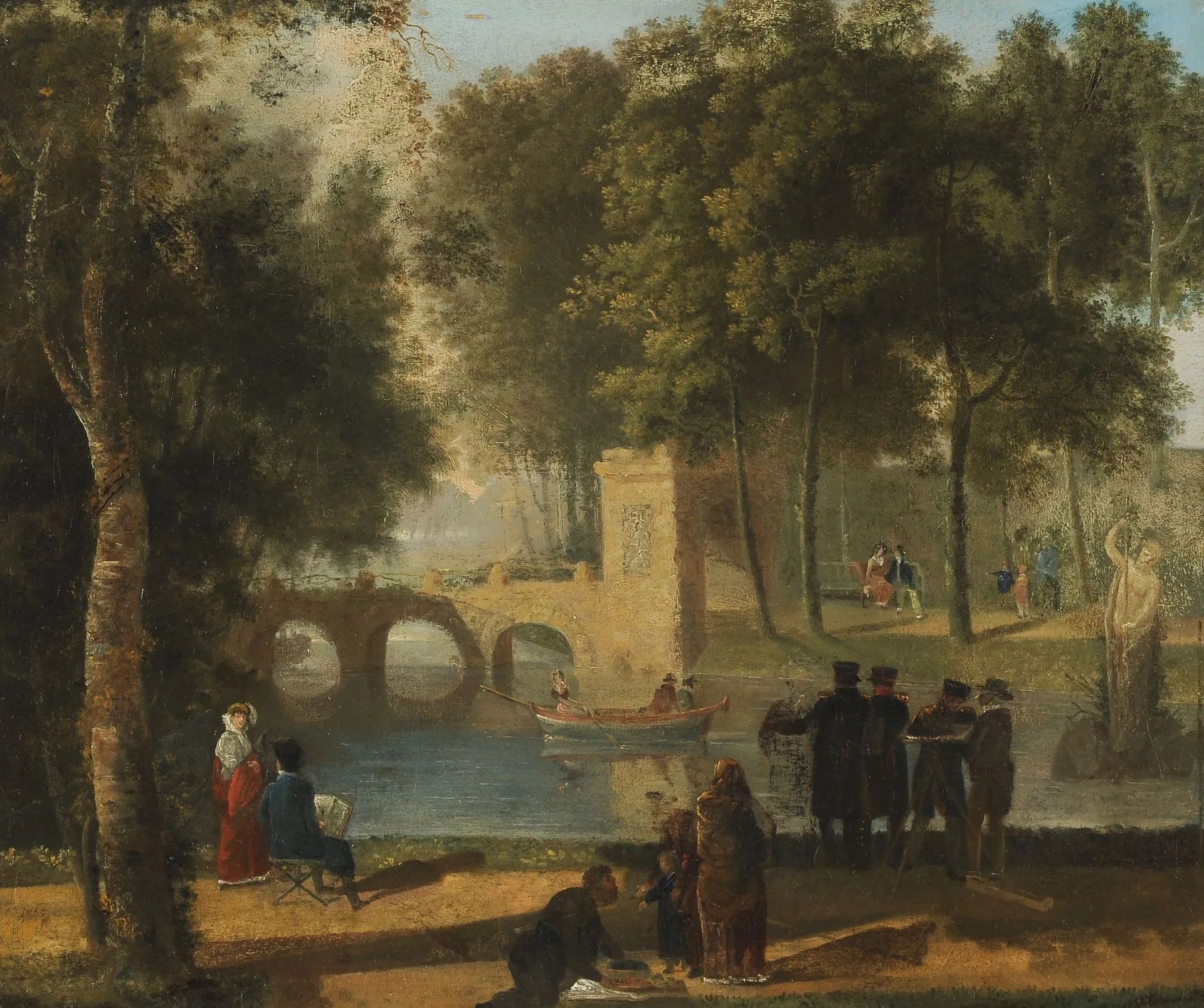
Ermolai Esakov. View of the Round Pond and the Stone Bridge in the Park of the Stroganov Dacha. 1810s. Oil on paper mounted on canvas
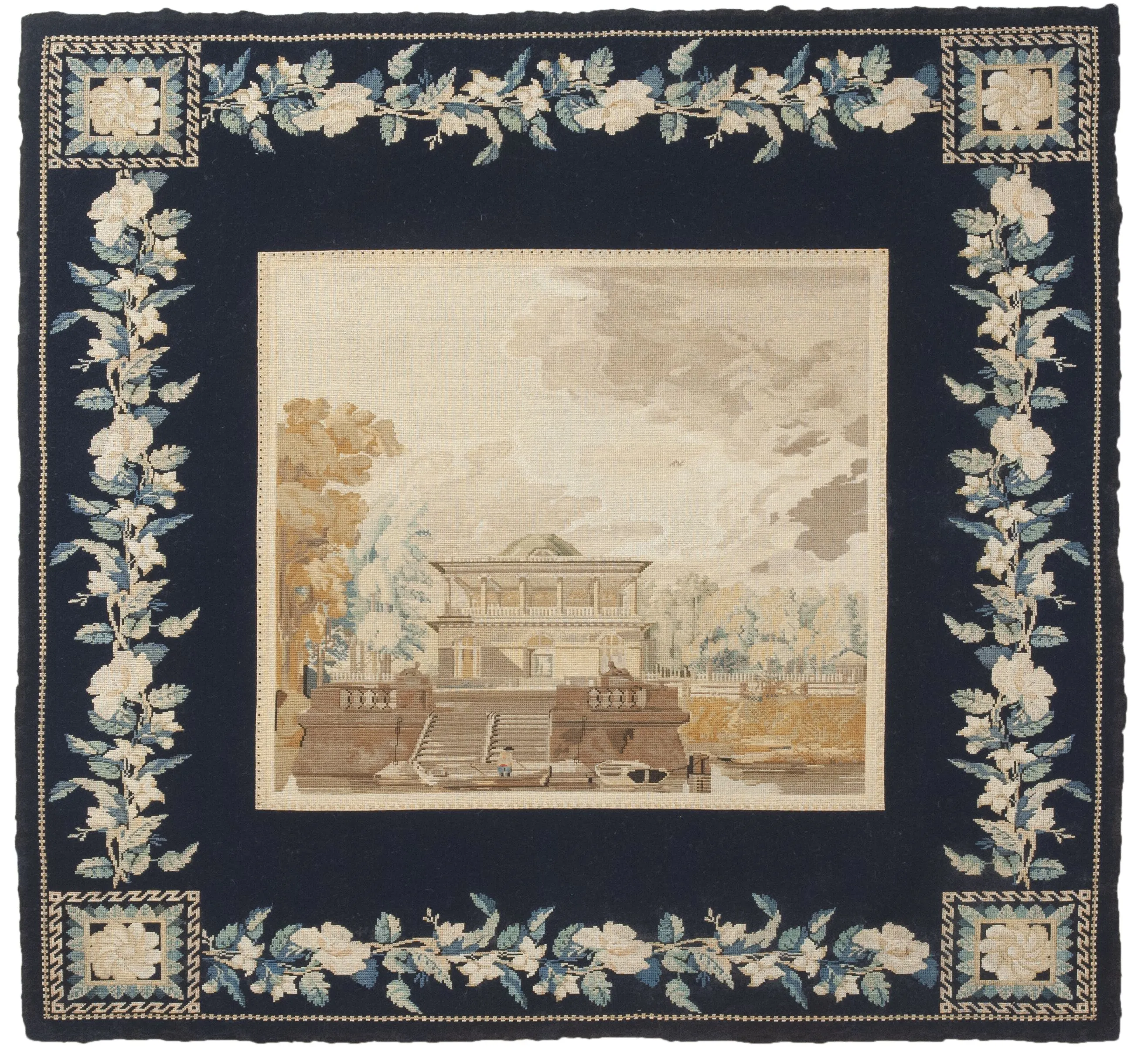
Screen. First half of the 19th century. Wood, fabric
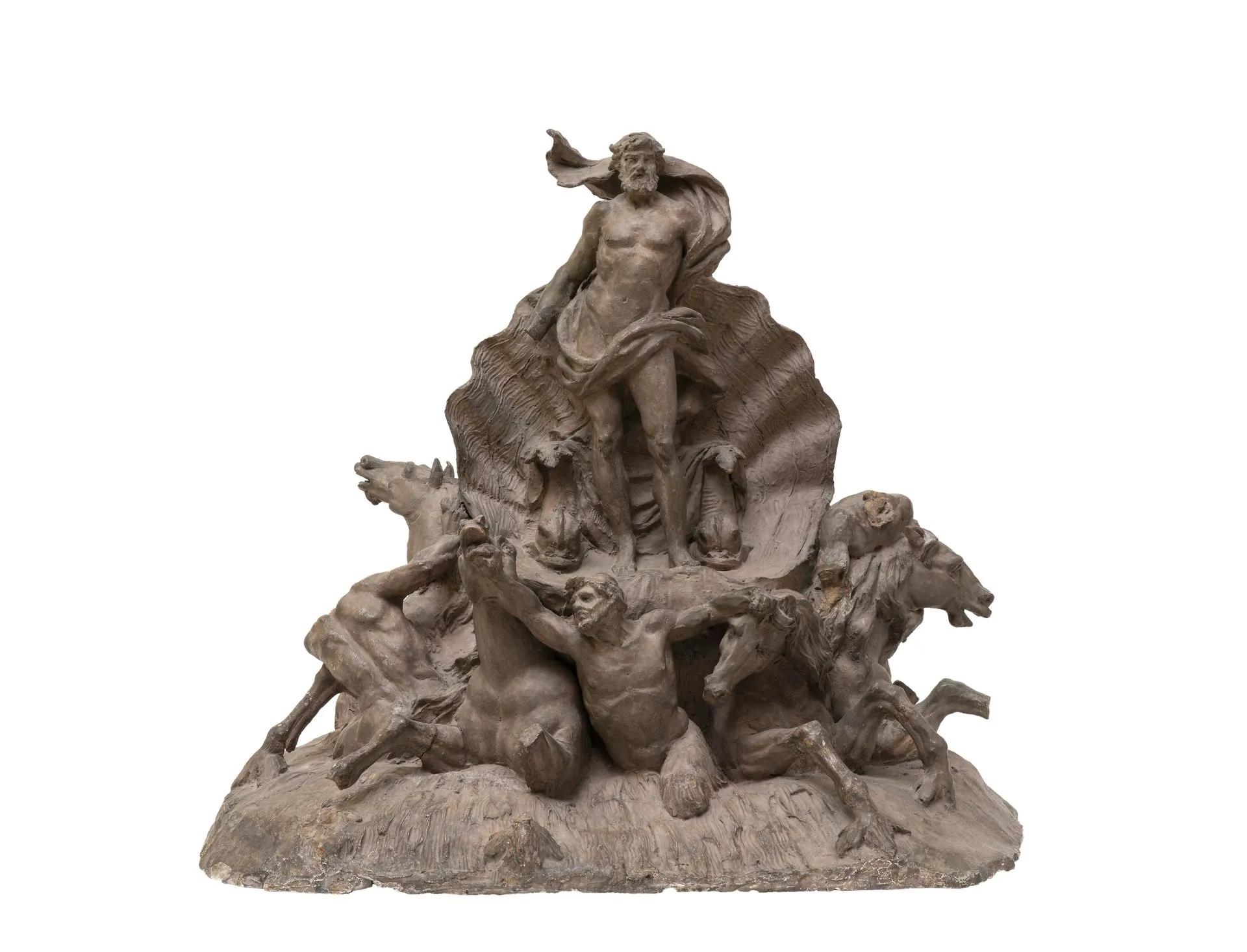
Ivan Prokofiev. The Triumph of Neptune. 1817. Terracotta
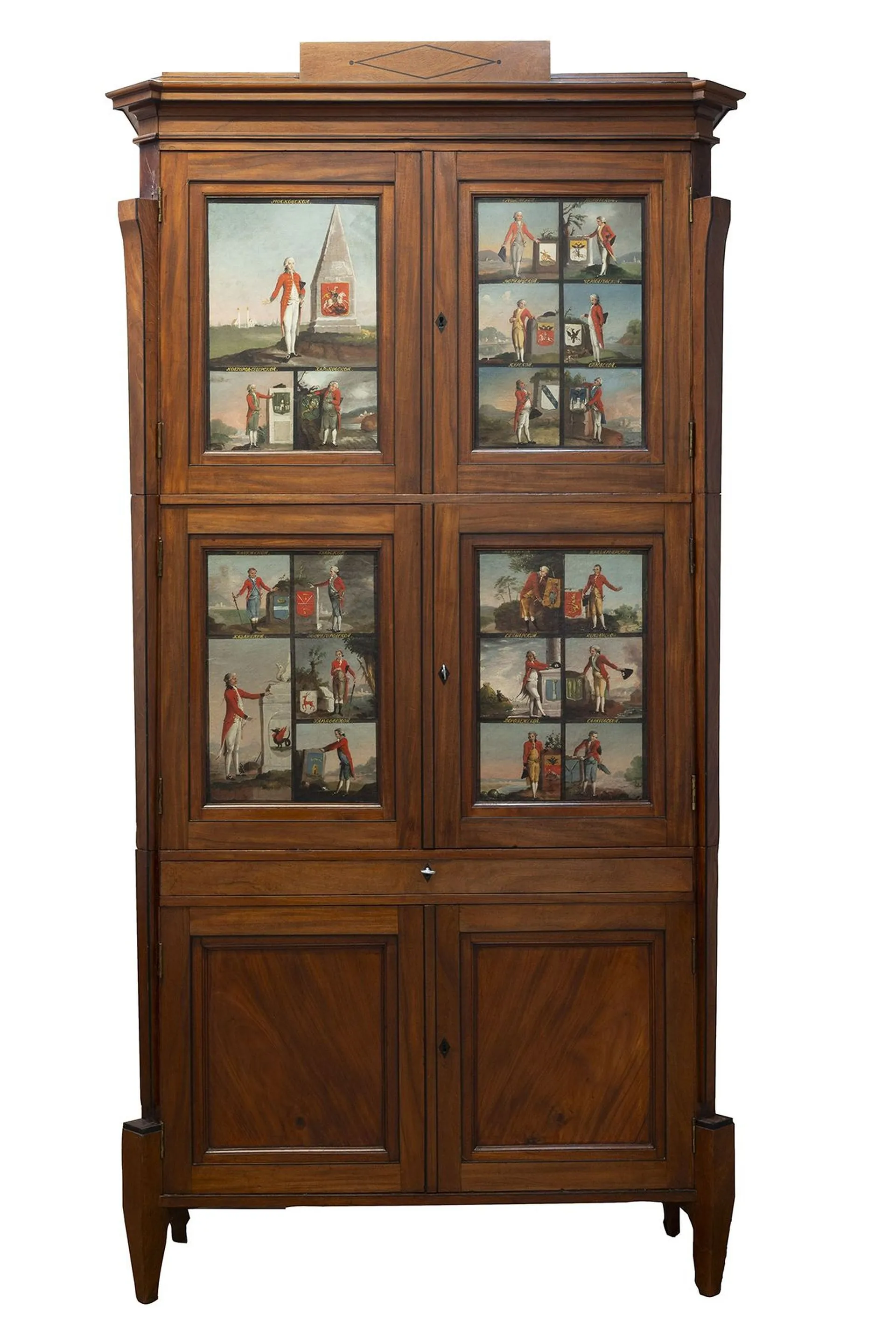
Cabinet. First quarter of the 19th century. Wood, copper
Accessibility at the Museum
Zones accessibilityAccessibilityInformation for Visitors with Limited MobilityGetting to the MuseumFurther Information
Zone name
Area Availability
Site Access and Routes
Entrance
Internal Routes
Accessible Facilities
Toilets
Parking
Available
Partially available
Not available
Not affected